The Baroque in 'Everything will fall into ruin'
By Jacinta Giles
'Worlds within Worlds' March 2026
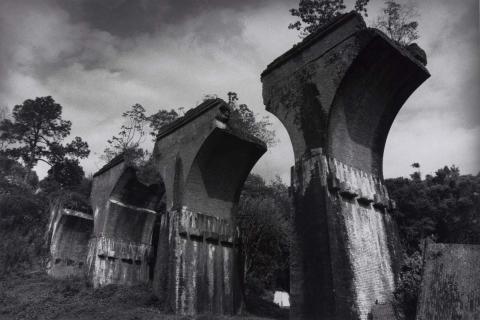
During the Baroque period, artists saw ancient ruins as powerful symbols for the transience of life and the futility of human achievement. Ruins pointed to the decline of earthly powers and the inevitable decay of the physical world, which enabled artists to use them to explore the fragility of human existence, the passage of time and the ultimate fall of power – be it political or spiritual. Baroque painters, such as Giovanni Paolo Panini and Marco Ricci, filled their canvases with crumbling buildings and overgrown arches, creating imaginative spaces through which viewers could consider lost pasts and possible futures.
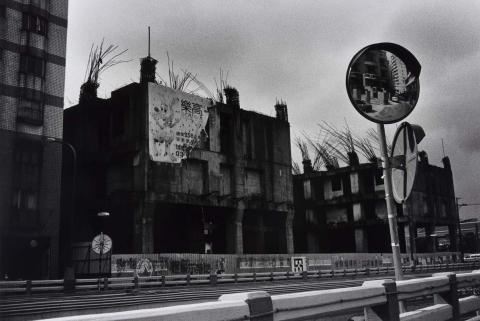
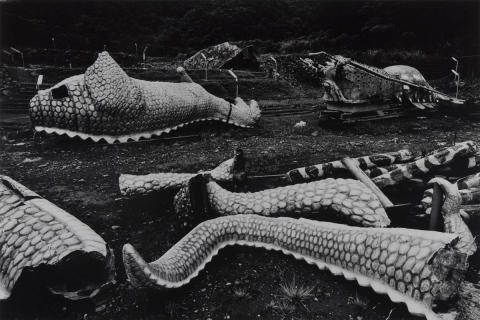
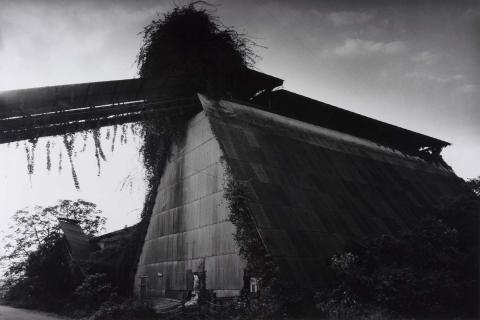
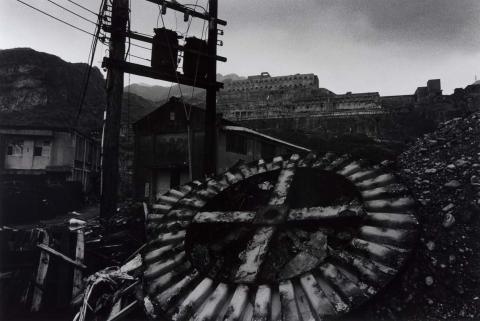
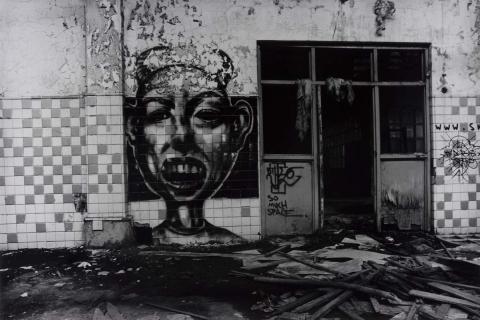
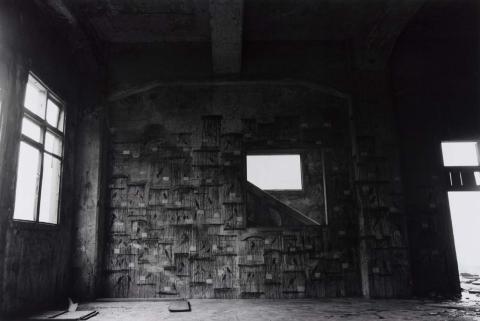
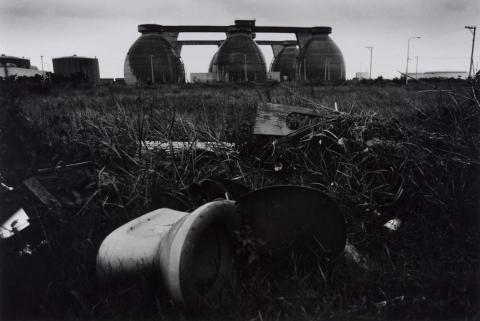
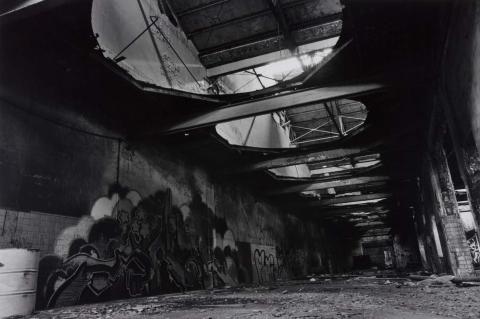
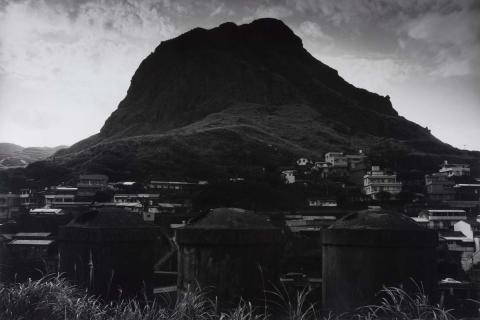
Yao Jui-Chung’s ‘Everything will fall into ruin’ series presents derelict sites of industry, abandoned civil dwellings, deserted military and prison buildings, and the remains of statuary scattered throughout the Taiwanese countryside. Since the early 1990s, the artist has traversed Taiwan and its surrounding islands, compiling hundreds of photographs of places abandoned due to its social and economic development in the aftermath of martial law (1949–87). These otherworldly images – human-made yet devoid of human presence – are salient markers for shifts of power and collectively reveal fissures in Taiwan’s sociopolitical history.
For Yao, all things ultimately fade, with the artist stating:
After the decay and destruction of their physical being, [ruins] reappear in another form and preserve the aura of the original being as relics . . . Although our brief existence is accompanied by decay, the silent ruins may be a symbol of the constant birth and death process in nature. Too much commemoration and reconstruction will distort the lesson hidden within. If we can understand this, ruins are no longer just ruins but are an essential experience in life.