Other works in this medium


Other works from this Department
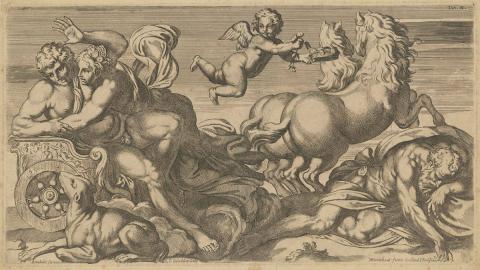
A Westerhout, formis Anni Pontificis
- CESIO, Carlo - Engraver
- CARRACCI, after Annibale - Painter

Saint Francis of Assisi c.1760?
- BARTOLOZZI, Francesco - Engraver
- after GUERCINO - Artist

The maiden 1911
- CLAUSEN, George - Creator
Reproduction requests
Images of artworks on this website may be used for research, study and other related exceptions as defined by section 40 of the Copyright Act 1968 (as amended) without applying for specific permission. All other uses of the content of this site (where applicable). Refer these requests to reproductions. For more information, see copyright and reproductions on the QAGOMA website.