Baroque symbolism, drama and divinity
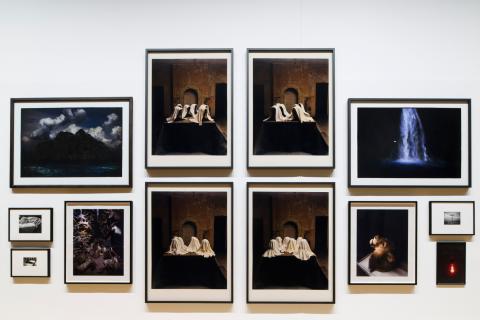
Salon hang
By Jacinta Giles
'Worlds within Worlds' February 2026
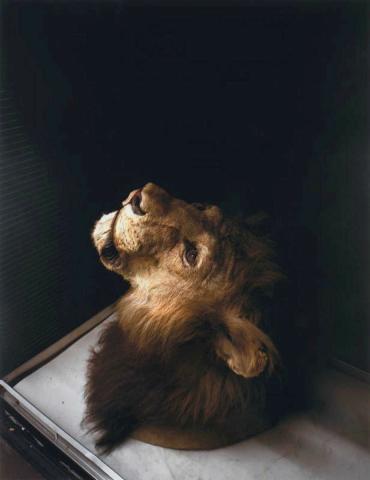
Light plays a particularly important role in Baroque-style painting, whether to suggest a specified time (night, day, dawn, dusk) in a scene, or to imply the religious divinity of a subject. However, it is their use of darkness that set Baroque artists apart from their predecessors. Dark backgrounds, with light concentrated on forms in or around the centre of the composition, is known as chiaroscuro – an Italian word meaning ‘light–dark’. Many contemporary photographers draw on this theatrical technique to create a sense of intimacy or drama, guiding the viewer’s attention and emotions.
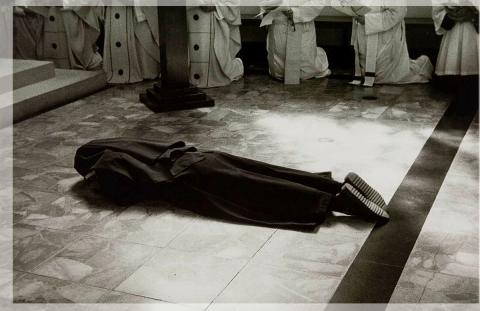
Religious symbolism, dynamic movement – through flowing drapery that twists and turns – and reflections on our relationship to the natural world are also key characteristics of the Baroque. Landscapes that embrace the uncontrolled and transcendent power of nature allowed artists to question how lives are shaped by forces beyond their control. Dead and decaying animals, and the severed head, were also prevalent themes in art from the Baroque period. Known as memento mori – Latin for ‘remember death’ – these scenes were used to remind viewers of the transience of life.
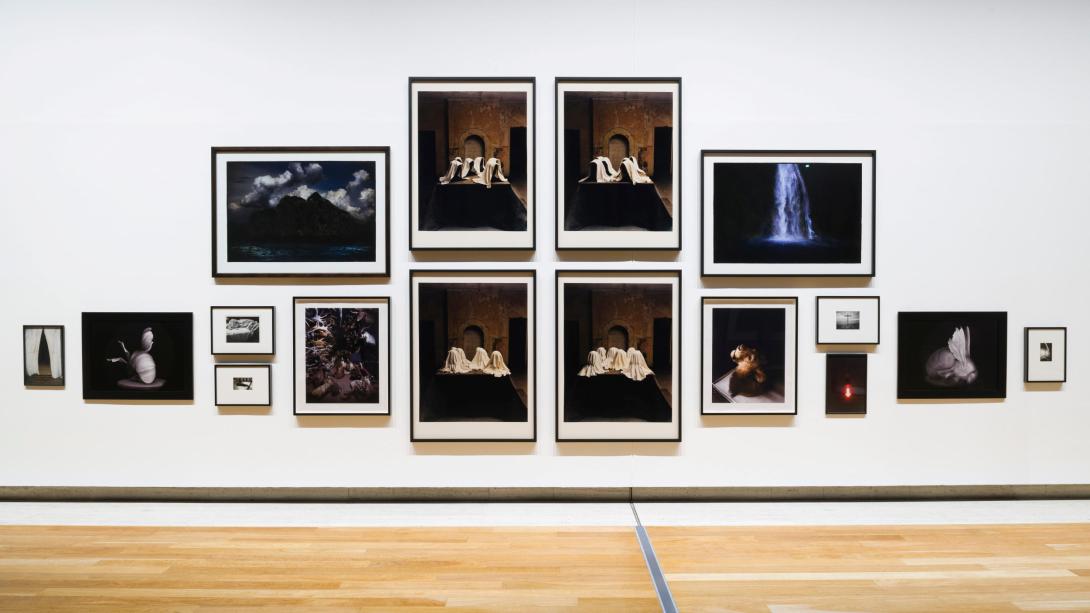
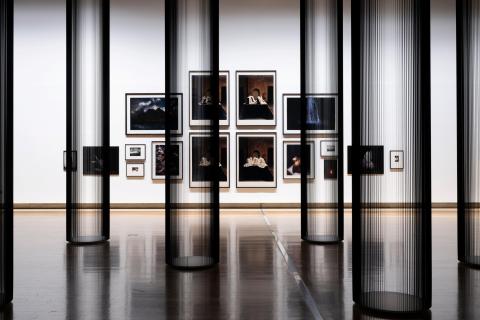
Works by Gavin Hipkins, Anne Noble, Bill Henson, Justine Cooper, Imogen Cunningham, Anne Ferran and Laurence Aberhart installed for ‘Worlds within Worlds’, QAG, March 2026 / © The artists / Photograph: J Ruckli, QAGOMA
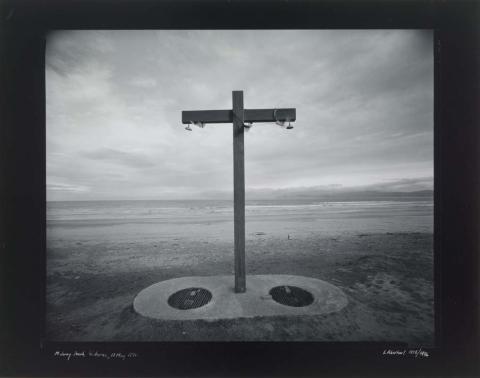
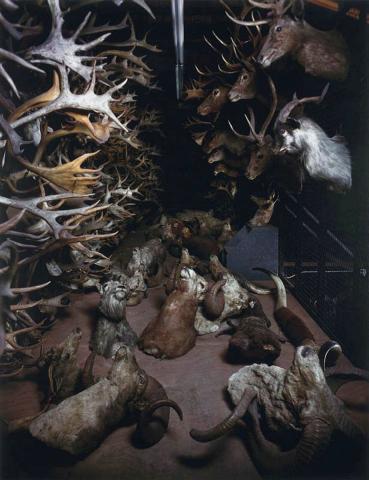

Unmade bed 1957
- CUNNINGHAM, Imogen - Creator
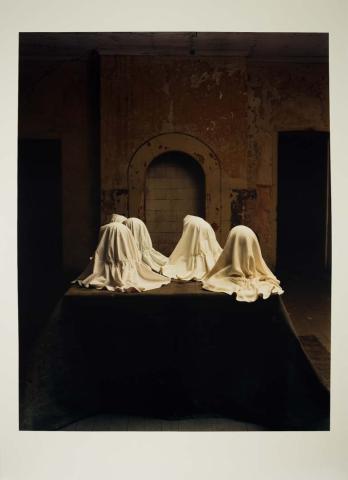

Untitled 2008-09
- HENSON, Bill - Creator
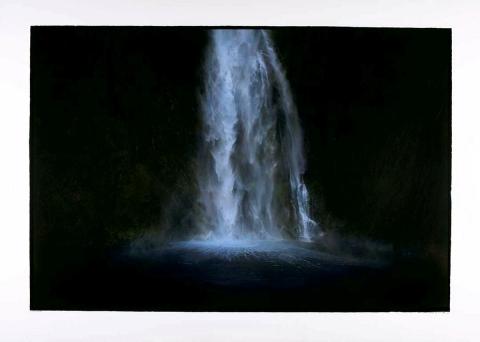
Untitled 2008-09
- HENSON, Bill - Artist
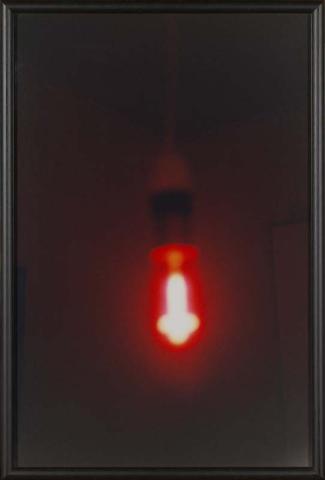
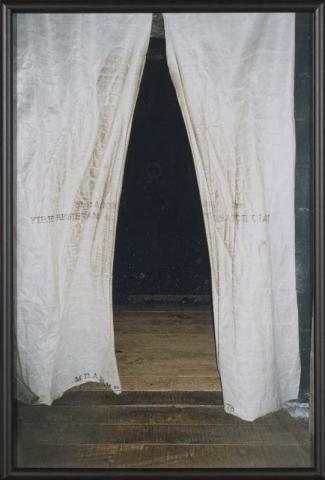
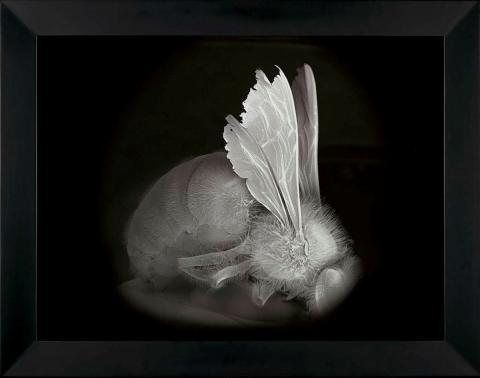
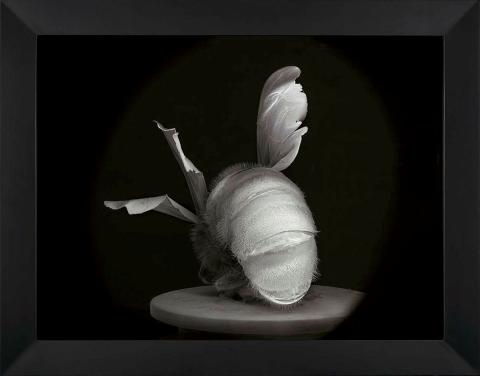
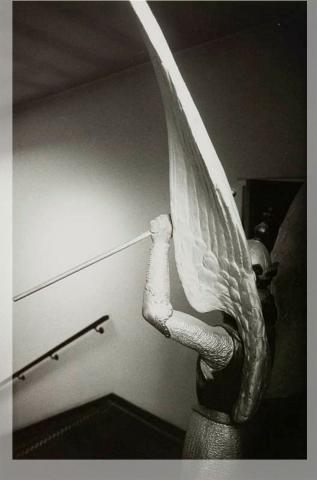
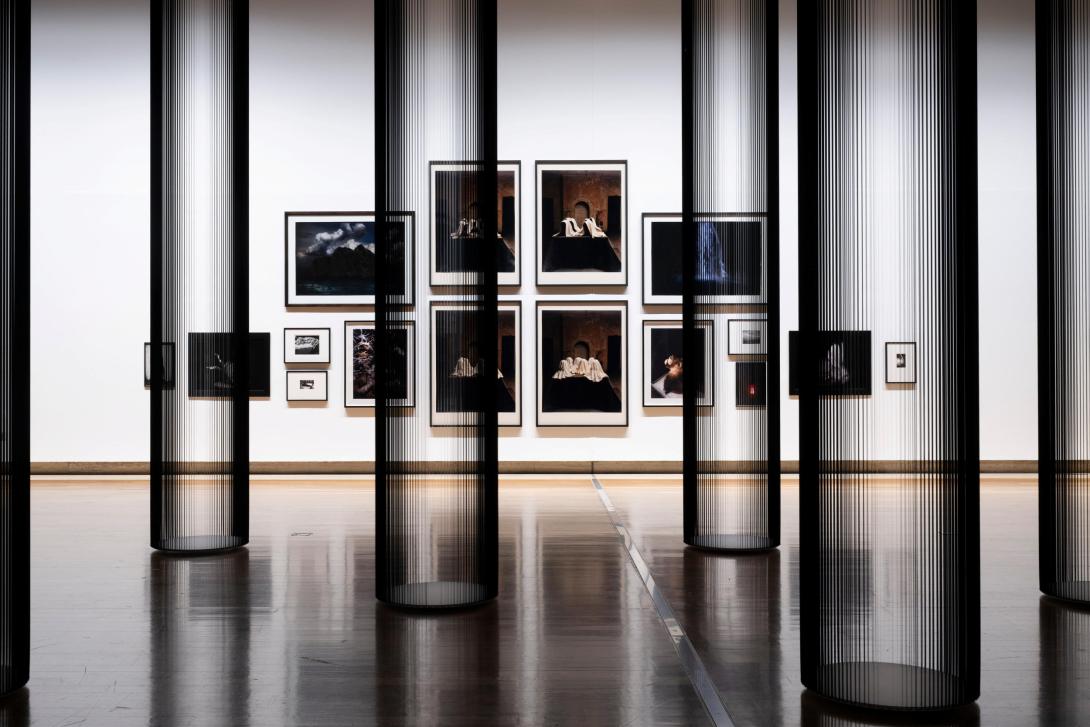
Žilvinas Kempinas's monumental Columns (detail) 2006, with a view of a salon hang including works by Gavin Hipkins, Anne Noble, Bill Henson, Justine Cooper, Imogen Cunningham, Anne Ferran and Laurence Aberhart installed for ‘Worlds within Worlds’, QAG, March 2026 / © The artists / Photograph: J Ruckli, QAGOMA
Explore 'Worlds within Worlds'
Digital story context and navigation
WORLDS WITHIN WORLDSExplore the story

Related resources